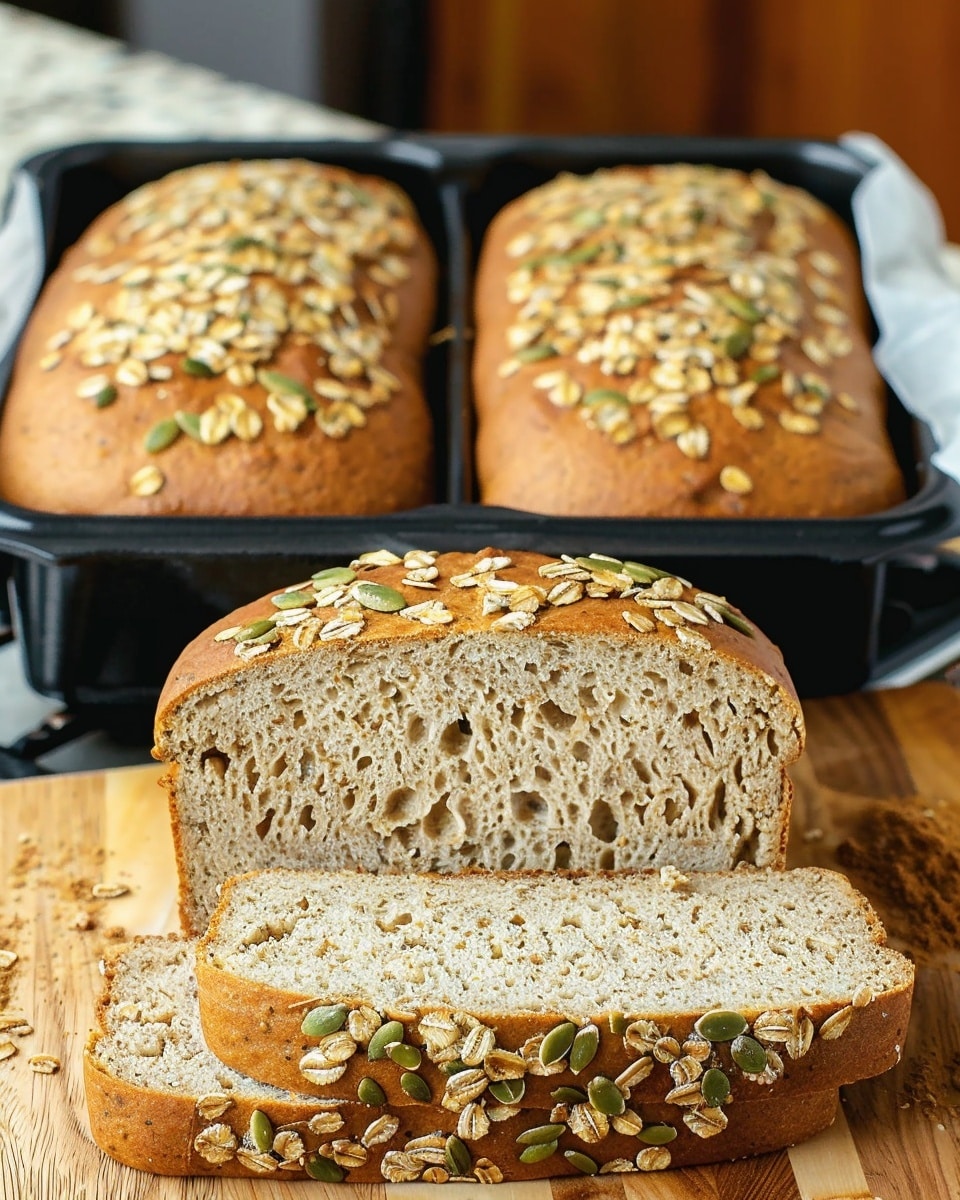
This soft and hearty gluten-free oatmeal bread is the perfect balance of comfort and nutrition. With a tender crumb and a slightly nutty flavor, it’s ideal for breakfast, brunch, or even as a healthy snack. Packed with protein and fiber, this bread proves that gluten-free baking can be just as satisfying and delicious as traditional recipes.
Why You’ll Love This Recipe
This oatmeal bread stands out because it delivers on both taste and texture without relying on gluten. It stays soft and moist, unlike many gluten-free breads that tend to be dry or crumbly. The oats provide a naturally wholesome flavor, while also boosting the nutritional value with fiber and plant-based protein.
Another reason to love this recipe is its simplicity. It uses accessible ingredients and straightforward steps, making it suitable even for beginners. Whether you’re following a gluten-free diet or just looking for a healthier bread option, this recipe fits seamlessly into your routine.
It’s also versatile. You can enjoy it plain, toasted with a spread, or paired with savory toppings. Plus, it stores well, so you can bake it ahead and enjoy it throughout the week.
Ingredients
(Tip: You’ll find the full list of ingredients and measurements in the recipe card below.)
2 cups gluten-free rolled oats
1 cup oat flour
1/2 cup plain yogurt (or dairy-free yogurt)
2 large eggs
1/4 cup olive oil
1 tablespoon honey or maple syrup
1 teaspoon salt
1 tablespoon baking powder
1/2 teaspoon baking soda
1/2 cup milk (or plant-based milk)
1 tablespoon chia seeds (optional)
1 tablespoon flaxseeds (optional)
Directions
Start by preheating your oven to 180°C (350°F). Lightly grease a loaf pan or line it with parchment paper to prevent sticking.
In a blender or food processor, pulse the rolled oats until they resemble a coarse flour. This step helps create a smoother texture while still keeping some of the rustic oat character.
Transfer the blended oats to a large mixing bowl. Add the oat flour, baking powder, baking soda, and salt. Stir well to combine all the dry ingredients evenly.
In a separate bowl, whisk together the eggs, yogurt, olive oil, honey, and milk until smooth and well blended. This mixture will provide moisture and structure to the bread.
Pour the wet ingredients into the bowl with the dry ingredients. Mix gently until a thick batter forms. Avoid overmixing, as this can affect the texture.
If using chia seeds and flaxseeds, fold them into the batter at this stage. They add extra nutrition and a subtle crunch.
Pour the batter into the prepared loaf pan and smooth the top with a spatula. Let it rest for about 5 minutes to allow the oats to absorb some of the liquid.
Bake in the preheated oven for 35–40 minutes, or until the top is golden and a toothpick inserted into the center comes out clean.
Remove the bread from the oven and let it cool in the pan for about 10 minutes. Then transfer it to a wire rack to cool completely before slicing.
Servings and timing
This recipe makes about 8 slices of bread.
Preparation time: 10 minutes
Cooking time: 35–40 minutes
Total time: approximately 50 minutes
Variations
You can easily adapt this oatmeal bread to suit your taste preferences. For a sweeter version, add a handful of raisins or chopped dates to the batter. A sprinkle of cinnamon can also enhance the flavor beautifully.
If you prefer a savory twist, consider adding herbs like rosemary or thyme. You can also mix in grated cheese or chopped olives for a more robust flavor.
For a dairy-free version, simply use plant-based yogurt and milk. Almond, oat, or soy milk all work well in this recipe without compromising texture.
To boost protein even further, you can add a scoop of unflavored protein powder or replace part of the oat flour with almond flour.
Storage/Reheating
Store the bread in an airtight container at room temperature for up to 2 days. If you live in a warm climate, it’s best to refrigerate it to maintain freshness.
For longer storage, slice the bread and freeze it in a sealed bag or container. This makes it easy to grab individual slices as needed.
To reheat, toast slices in a toaster or warm them in the oven for a few minutes. This helps restore the soft interior and slightly crisp exterior.
FAQs
Can I use quick oats instead of rolled oats?
Yes, quick oats can be used, but the texture may be slightly softer and less rustic.
Is oat flour necessary?
Oat flour helps improve the structure, but you can make your own by blending oats finely.
Can I make this bread vegan?
Yes, replace eggs with flax eggs and use plant-based yogurt and milk.
Why is my bread too dense?
This can happen if the batter is overmixed or if the baking powder is not fresh.
Can I add nuts or seeds?
Absolutely, nuts and seeds add texture and nutritional value.
How do I know when the bread is done?
Insert a toothpick into the center; if it comes out clean, the bread is ready.
Can I make muffins instead of a loaf?
Yes, divide the batter into a muffin tin and reduce the baking time to about 20–25 minutes.
Does this bread taste like traditional bread?
It has a slightly nutty oat flavor, but it’s still very satisfying and bread-like.
Can I use water instead of milk?
Milk is recommended for better flavor and texture, but water can be used if needed.
How can I make it sweeter?
Add more honey or include ingredients like dried fruit or a touch of vanilla extract.
Conclusion
This gluten-free oatmeal bread is a simple yet nourishing recipe that proves healthy baking doesn’t have to compromise on taste or texture. With its soft crumb and wholesome ingredients, it’s perfect for everyday use. Whether you enjoy it sweet or savory, fresh or toasted, this bread is sure to become a favorite in your kitchen.