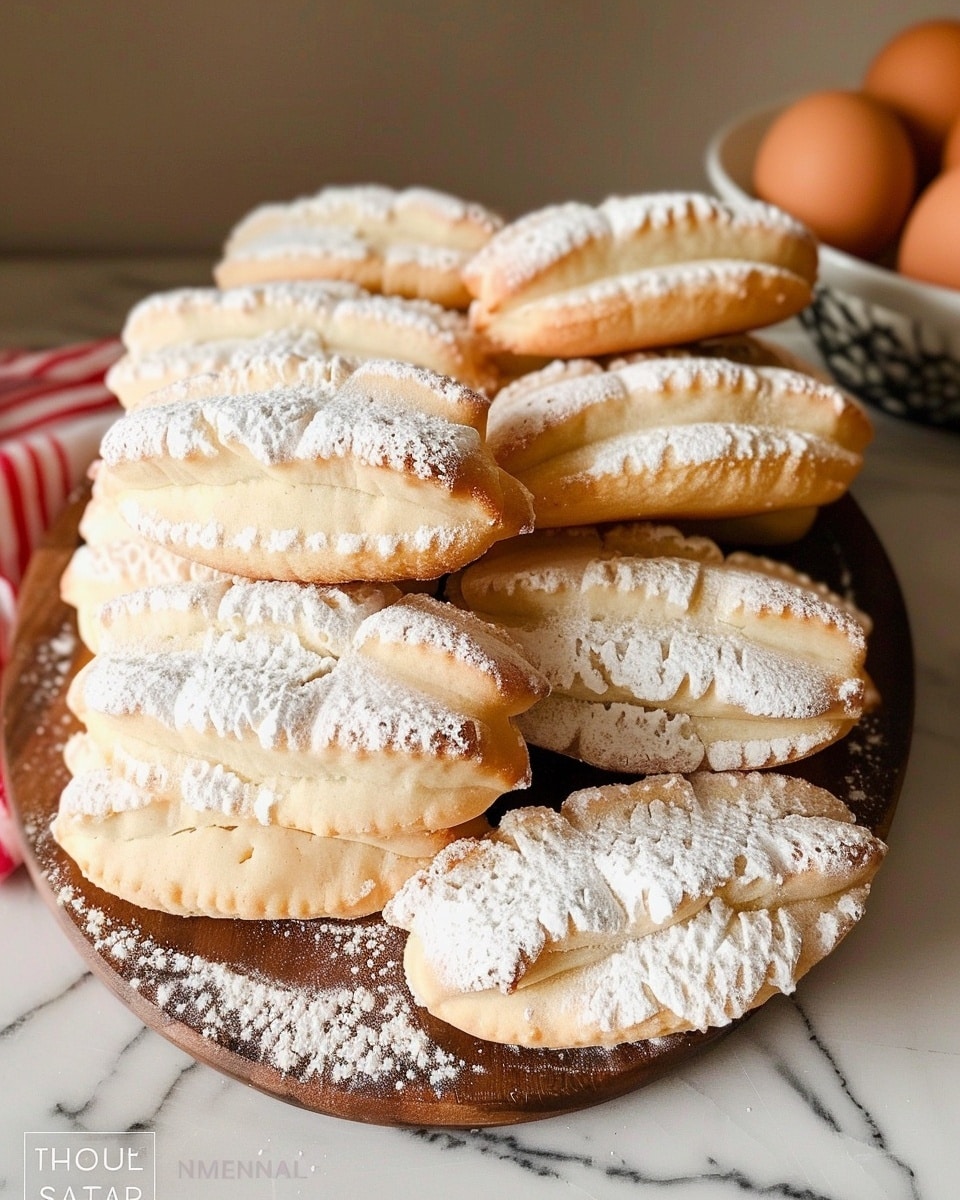
Light, airy, and delicately crisp, homemade Savoiardi are classic Italian sponge cookies that bring elegance to any dessert table. These traditional Italian ladyfingers are perfect for layering into tiramisu, serving alongside coffee, or enjoying as a lightly sweet treat on their own. With a crisp exterior and soft center, they soak up flavors beautifully while still holding their shape. Once you try making them from scratch, you’ll never want the packaged version again.
Why You’ll Love This Recipe
These homemade Italian ladyfingers are surprisingly simple to prepare and use only a few pantry staples. The whipped eggs create a naturally airy texture, while the light dusting of powdered sugar gives them their signature delicate crust.
You’ll love how versatile these cookies are. They can be used in tiramisu, trifles, layered desserts, or simply enjoyed with tea or cappuccino. Their soft sponge texture absorbs coffee and creams perfectly without becoming soggy too quickly.
Another reason this recipe stands out is the fresh flavor. Homemade Savoiardi taste lighter, fresher, and more delicate than store-bought versions. They also make your kitchen smell like a traditional Italian bakery while baking.
Ingredients
(Tip: You’ll find the full list of ingredients and measurements in the recipe card below.)
4 large eggs, separated
100g (1/2 cup) granulated sugar, divided
1/2 teaspoon vanilla extract
80g (2/3 cup) all-purpose flour
20g (2 tablespoons) cornstarch
1/2 teaspoon baking powder
Pinch of salt
Powdered sugar, for dusting
The cornstarch helps create the light and airy texture that makes these cookies so special. Using room-temperature eggs is also important because they whip better and create more volume in the batter.
Directions
Preheat your oven to 375°F (190°C). Line two baking trays with parchment paper and prepare a piping bag fitted with a plain round tip.
In a medium mixing bowl, beat the egg yolks with half of the sugar and the vanilla extract. Continue mixing for about 3 minutes until the mixture becomes pale, thick, and creamy.
In a separate clean bowl, whip the egg whites with a pinch of salt. Once soft peaks begin to form, gradually add the remaining sugar while continuing to beat. Mix until stiff, glossy peaks form.
Carefully fold the whipped yolk mixture into the egg whites using a rubber spatula. Sift the flour, cornstarch, and baking powder over the mixture, then gently fold again until fully combined. Avoid overmixing so the batter stays light and fluffy.
Transfer the batter into the piping bag. Pipe 3- to 4-inch strips onto the prepared baking trays, leaving a little space between each cookie. Dust the tops generously with powdered sugar and allow them to sit for about 2 minutes.
Bake for 10 to 12 minutes or until lightly golden and slightly firm to the touch. Remove from the oven and cool completely on a wire rack. The cookies will become crispier as they cool.
Servings and timing
This recipe makes approximately 24 to 30 homemade Savoiardi cookies, depending on the size you pipe them.
Prep Time: 20 minutes
Cook Time: 10–12 minutes
Total Time: About 32 minutes
These cookies are ideal for preparing ahead before assembling desserts like tiramisu or charlotte cake.
Variations
For a citrus twist, add a teaspoon of lemon or orange zest to the batter. The fresh citrus flavor pairs beautifully with coffee desserts.
If you enjoy warmer flavors, a pinch of cinnamon can be folded into the dry ingredients for a subtle spice note.
To make chocolate ladyfingers, replace 1 tablespoon of flour with unsweetened cocoa powder. They work wonderfully in layered chocolate desserts.
You can also add a few drops of almond extract instead of vanilla for a richer bakery-style flavor.
For extra crisp cookies, return the baked Savoiardi to a 300°F (150°C) oven for an additional 5 minutes after cooling slightly.
Storage/Reheating
Store completely cooled ladyfingers in an airtight container at room temperature for up to 5 days. Keeping them sealed tightly helps maintain their crisp texture.
For longer storage, freeze the baked cookies in a freezer-safe container for up to 2 months. Place parchment paper between layers to prevent sticking.
When ready to use frozen cookies, thaw them at room temperature. If they lose some crispness, place them in a 300°F (150°C) oven for 3 to 5 minutes.
These cookies are usually served at room temperature, so reheating is optional unless you want to restore extra crispness.
FAQs
What are Savoiardi?
Savoiardi are traditional Italian sponge cookies commonly known as ladyfingers. They are light, airy, and often used in desserts like tiramisu.
Are Savoiardi and ladyfingers the same thing?
Yes, Savoiardi is the Italian name for ladyfingers. Both refer to the same sponge-style cookie.
Why did my ladyfingers turn flat?
Flat cookies usually happen when the egg whites are under-whipped or the batter is overmixed, causing it to lose air.
Can I make these cookies without a piping bag?
Yes, you can use a zip-top bag with the corner snipped off as a simple alternative.
Why do I need to dust them with powdered sugar?
The powdered sugar creates the signature crisp top layer and helps give the cookies their classic appearance.
Can I use these for tiramisu?
Absolutely. Homemade Savoiardi are excellent for tiramisu because they absorb espresso beautifully while maintaining structure.
How do I keep ladyfingers crispy?
Store them in an airtight container and avoid exposing them to humidity.
Can I freeze homemade Savoiardi?
Yes, baked and cooled cookies freeze very well for up to 2 months.
Do I need room-temperature eggs?
Yes, room-temperature eggs whip more easily and create better volume for the batter.
Can I make them gluten-free?
Yes, you can substitute a gluten-free all-purpose flour blend designed for baking.
Conclusion
Homemade Savoiardi are a simple yet elegant Italian classic that every baker should try at least once. Their airy sponge texture, crisp coating, and delicate sweetness make them incredibly versatile for desserts or coffee breaks. Whether you’re preparing a traditional tiramisu or simply enjoying them fresh from the oven, these Italian ladyfingers deliver authentic flavor and bakery-quality results right at home.
Homemade Savoiardi, also known as Italian ladyfingers, are light, airy sponge cookies with a delicate crisp exterior and soft center. Perfect for tiramisu, layered desserts, or serving with coffee, these classic Italian cookies are simple to make and taste fresher and lighter than store-bought versions.
Ingredients
4 large eggs, separated
100g (1/2 cup) granulated sugar, divided
1/2 teaspoon vanilla extract
80g (2/3 cup) all-purpose flour
20g (2 tablespoons) cornstarch
1/2 teaspoon baking powder
Pinch of salt
Powdered sugar, for dusting
Instructions
Preheat the oven to 375°F (190°C). Line two baking trays with parchment paper and prepare a piping bag fitted with a plain round tip.
In a medium bowl, beat the egg yolks with half of the sugar and vanilla extract for about 3 minutes until pale, thick, and creamy.
In a separate clean bowl, whip the egg whites with a pinch of salt until soft peaks form. Gradually add the remaining sugar and continue beating until stiff, glossy peaks form.
Gently fold the whipped yolk mixture into the egg whites using a rubber spatula.
Sift the flour, cornstarch, and baking powder over the mixture and fold gently until just combined. Avoid overmixing.
Transfer the batter to the prepared piping bag and pipe 3- to 4-inch strips onto the baking trays, leaving space between each cookie.
Dust the tops generously with powdered sugar and let them sit for 2 minutes.
Bake for 10 to 12 minutes until lightly golden and slightly firm to the touch.
Remove from the oven and cool completely on a wire rack. The cookies will crisp as they cool.
Notes
Add lemon or orange zest for a citrus variation.
Replace 1 tablespoon of flour with cocoa powder for chocolate ladyfingers.
Use almond extract instead of vanilla for a richer flavor.
For extra crisp cookies, bake again at 300°F (150°C) for 5 additional minutes.
Store in an airtight container at room temperature for up to 5 days.
Freeze baked cookies for up to 2 months.
Room-temperature eggs create better volume and texture.
A zip-top bag with the corner cut off can replace a piping bag.