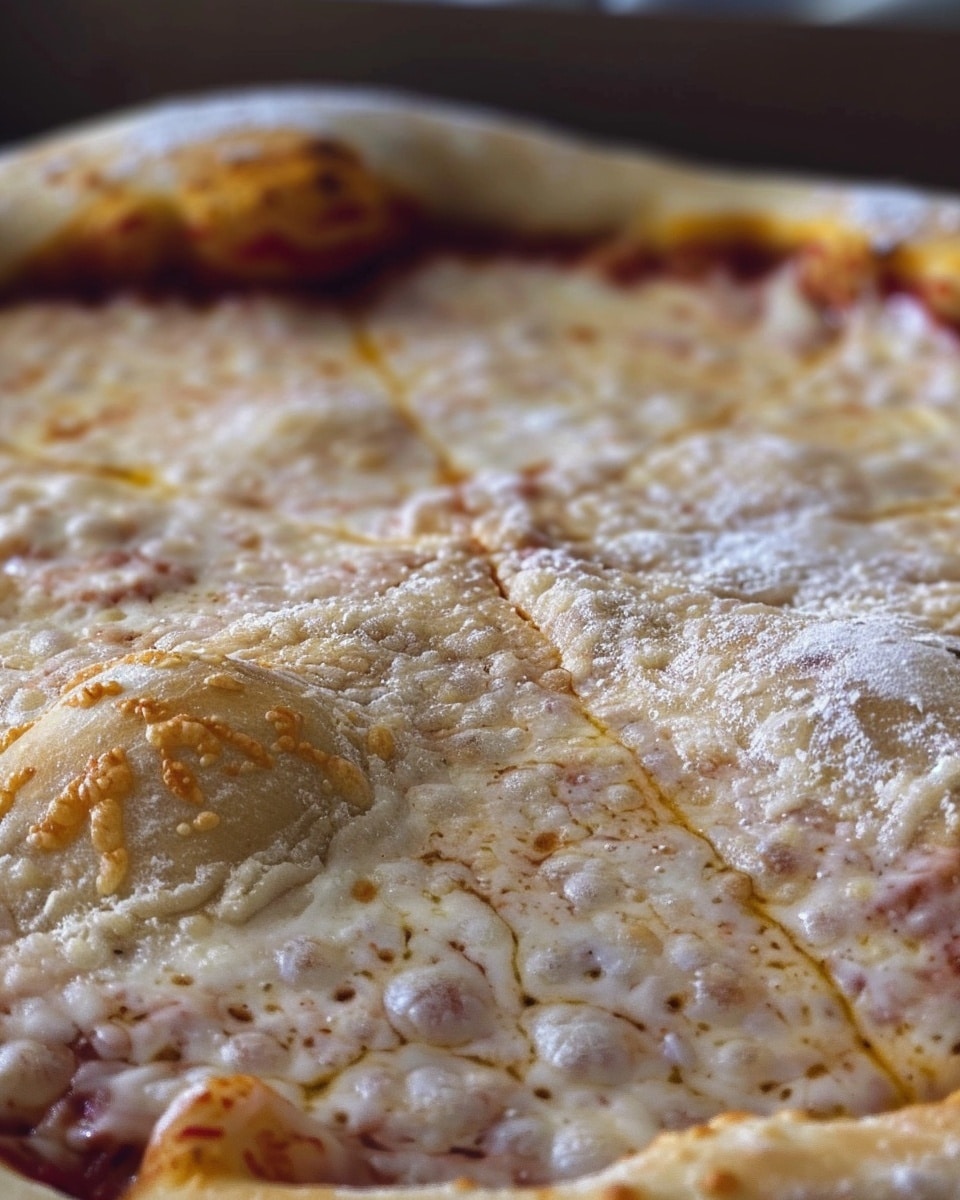
Making homemade pizza dough from scratch is one of the most rewarding experiences in the kitchen. This authentic Italian homemade pizza dough recipe creates a crust that is soft and airy inside with a lightly crisp and chewy exterior. Using simple pantry ingredients and traditional techniques, this dough delivers the classic flavor and texture of real Italian pizza. Whether you are preparing a family pizza night or experimenting with your favorite toppings, this recipe is reliable, flavorful, and easy to follow.
Why You’ll Love This Recipe
This homemade pizza dough recipe is simple yet incredibly satisfying. It uses only a few basic ingredients, but the result tastes like something from a traditional Italian pizzeria. The dough becomes soft, elastic, and easy to stretch, creating the perfect base for any pizza topping.
Another reason this recipe stands out is its versatility. You can use the dough the same day or refrigerate it overnight for even deeper flavor. It works beautifully for thin crust pizzas, classic Margherita pizzas, or even vegetable-loaded creations.
The texture is another reason to love it. The crust bakes into a golden exterior while remaining tender and chewy inside. Homemade dough also gives you complete control over the ingredients, freshness, and thickness of your pizza.
Ingredients
(Tip: You’ll find the full list of ingredients and measurements in the recipe card below.)
3 1/2 cups “00” flour or all-purpose flour (440 g)
1 1/3 cups lukewarm water (320 ml)
2 1/4 teaspoons instant yeast (7 g)
1 teaspoon salt (6 g)
1 tablespoon olive oil (15 ml)
Extra flour for kneading
Directions
In a large mixing bowl, combine the lukewarm water and yeast. Let the mixture rest for about 5 minutes until slightly foamy.
Gradually add the flour while stirring with a wooden spoon or spatula. Mix until a rough dough begins to form.
Add the salt and olive oil to the dough. Continue mixing until everything is fully combined.
Transfer the dough to a lightly floured surface. Knead the dough for 8 to 10 minutes until it becomes smooth, elastic, and soft.
If the dough feels too sticky, sprinkle in a small amount of flour. If it feels dry, add a teaspoon of water at a time until the texture feels soft and flexible.
Shape the dough into a ball and place it in a lightly oiled bowl. Cover the bowl with a kitchen towel or plastic wrap.
Allow the dough to rise in a warm place for 1 to 2 hours, or until doubled in size.
Gently punch down the dough and divide it into equal portions depending on the number of pizzas you want to make.
Let the dough portions rest for 20 to 30 minutes. This helps relax the gluten and makes stretching easier.
Stretch the dough gently with your hands into pizza circles. Avoid using a rolling pin to preserve the airy texture.
Add your favorite pizza sauce, cheese, and toppings.
Bake in a preheated oven at 475°F (245°C) for 10 to 12 minutes, or until the crust is golden and crisp.
Servings and timing
This recipe makes enough dough for 2 medium pizzas or 4 small personal pizzas.
Prep Time: 15 minutes
Rise Time: 1 to 2 hours
Cook Time: 10 to 12 minutes
Total Time: Approximately 2 hours 20 minutes
Variations
For a more authentic flavor, use Italian “00” flour instead of all-purpose flour. It creates a softer and more elastic dough.
You can also prepare a whole wheat version by replacing half of the flour with whole wheat flour. This creates a nuttier flavor and slightly denser texture.
If you enjoy a crispier crust, roll the dough thinner and bake it on a preheated pizza stone. For a softer crust, shape the dough slightly thicker and brush the edges with olive oil before baking.
Fresh herbs such as oregano, basil, or garlic powder can also be mixed into the dough for added flavor.
Storage/Reheating
Store unused pizza dough in an airtight container in the refrigerator for up to 3 days. Allow the dough to come to room temperature before shaping and baking.
To freeze, lightly coat the dough with olive oil and wrap it tightly in plastic wrap or place it in a freezer-safe bag. Freeze for up to 2 months.
When ready to use frozen dough, thaw it overnight in the refrigerator. Let it sit at room temperature for about 30 minutes before stretching.
Reheat leftover pizza in a skillet over medium heat for a few minutes to maintain a crispy crust. You can also warm it in the oven at 350°F (175°C) for about 5 to 7 minutes.
FAQs
Can I use active dry yeast instead of instant yeast?
Yes, active dry yeast works well. Dissolve it in warm water first and allow it to become foamy before mixing with the flour.
Why is my pizza dough too sticky?
Pizza dough can feel slightly sticky at first. Add small amounts of flour while kneading until the texture becomes manageable but still soft.
Can I make the dough ahead of time?
Yes, the dough can be prepared up to 3 days in advance and stored in the refrigerator for better flavor development.
What is the best flour for pizza dough?
“00” flour is the traditional Italian choice, but all-purpose flour also produces excellent results.
How do I know when the dough is fully kneaded?
The dough should feel smooth, elastic, and slightly springy when pressed gently with your finger.
Can I freeze homemade pizza dough?
Yes, pizza dough freezes very well for up to 2 months when properly wrapped.
Do I need a pizza stone?
No, a baking sheet works fine. However, a pizza stone helps create a crispier and more evenly baked crust.
Why did my dough not rise properly?
Inactive yeast or a cold environment may prevent proper rising. Make sure the yeast is fresh and the dough rests in a warm area.
Can I make this dough without olive oil?
Yes, traditional Italian pizza dough can be made without oil, though olive oil adds softness and flavor.
How hot should the oven be for pizza?
A very hot oven, around 475°F to 500°F, creates the best texture with a crisp crust and properly cooked toppings.
Conclusion
This authentic Italian homemade pizza dough recipe is a simple yet delicious way to create restaurant-quality pizza at home. With just a few ingredients and a little patience, you can enjoy a crust that is soft, chewy, and perfectly crisp around the edges. The dough is versatile, beginner-friendly, and ideal for customizing with your favorite toppings. Once you make homemade pizza dough from scratch, it will quickly become a favorite part of your kitchen routine.
This authentic Italian homemade pizza dough creates a soft, airy, and chewy crust with a lightly crisp golden exterior. Made with simple pantry ingredients and traditional techniques, this versatile dough is perfect for homemade pizzas with your favorite toppings.
Ingredients
3 1/2 cups “00” flour or all-purpose flour (440 g)
1 1/3 cups lukewarm water (320 ml)
2 1/4 teaspoons instant yeast (7 g)
1 teaspoon salt (6 g)
1 tablespoon olive oil (15 ml)
Extra flour for kneading
Instructions
In a large mixing bowl, combine the lukewarm water and yeast. Let the mixture rest for about 5 minutes until slightly foamy.
Gradually add the flour while stirring with a wooden spoon or spatula until a rough dough forms.
Add the salt and olive oil. Continue mixing until fully combined.
Transfer the dough to a lightly floured surface and knead for 8 to 10 minutes until smooth, soft, and elastic.
If the dough feels too sticky, add a little flour. If too dry, add small amounts of water until the texture is soft and flexible.
Shape the dough into a ball and place it in a lightly oiled bowl. Cover with a towel or plastic wrap.
Let the dough rise in a warm place for 1 to 2 hours until doubled in size.
Gently punch down the dough and divide it into portions depending on the number of pizzas desired.
Allow the dough portions to rest for 20 to 30 minutes before shaping.
Stretch the dough gently by hand into pizza circles without using a rolling pin.
Add pizza sauce, cheese, and your favorite toppings.
Bake in a preheated oven at 475°F (245°C) for 10 to 12 minutes until the crust is golden and crisp.
Notes
Italian “00” flour gives the dough the most authentic texture.
Allowing the dough to rise slowly improves flavor and elasticity.
A pizza stone helps create a crispier crust.
Do not over-flour the dough to keep it soft and airy.
The dough can be refrigerated overnight for deeper flavor.