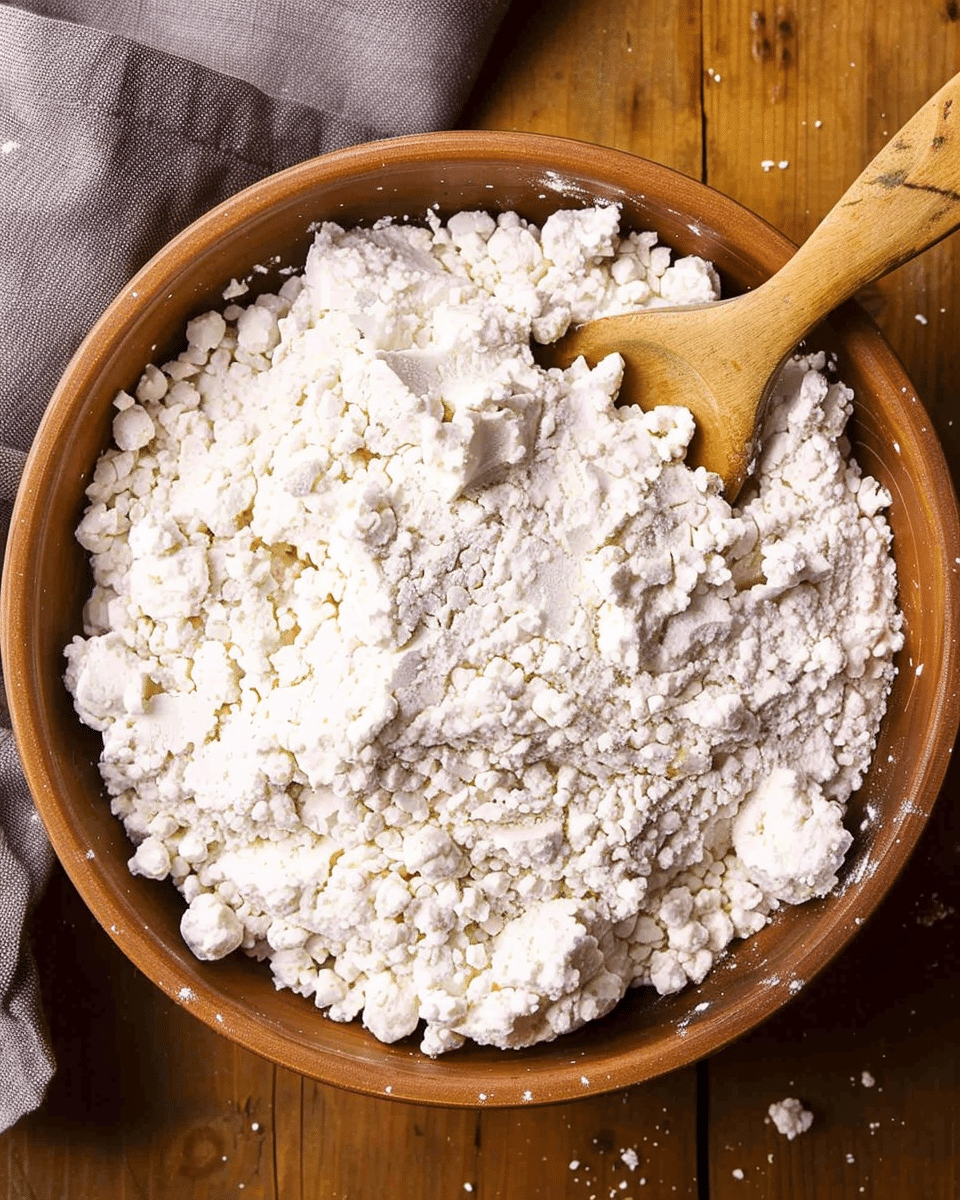
Fresh, creamy ricotta is incredibly easy to make at home — all you need is milk, an acid, and less than 30 minutes. This silky, lightly tangy cheese is richer and more flavorful than anything store-bought, making it perfect for everything from pasta fillings to desserts to simple spreads on warm bread.
Why You’ll Love This Recipe
Homemade ricotta has an unmatched freshness and creaminess that elevates any dish. With just a few basic ingredients and a simple stovetop method, you can control the texture to make it as loose or as firm as you like. It’s versatile, economical, and even leaves you with nutritious whey that can be used in baking or smoothies. Once you make it yourself, you may never go back to packaged ricotta again.
Ingredients
(Tip: You’ll find the full list of ingredients and measurements in the recipe card below.)
8 cups whole milk (avoid UHT pasteurized milk)
1/3 cup freshly squeezed lemon juice (or 1/3 cup distilled white vinegar or 1/2 teaspoon citric acid), plus more as needed
2 teaspoons kosher salt (optional)
Cheesecloth for straining
Directions
Heat the milk slowly in a large pot over medium heat until it reaches 200°F. The milk will become foamy and begin to steam; remove it from heat if it starts to boil.
Turn off the heat and gently stir in the lemon juice (or vinegar or citric acid) and kosher salt if using.
Let the mixture sit undisturbed for 10 minutes. The milk should separate into white curds and yellowish whey. If separation hasn’t fully occurred, add 1 tablespoon additional lemon juice or vinegar and wait a few more minutes.
Line a strainer with a double layer of cheesecloth and set it over a large bowl. Scoop the large curds into the strainer with a slotted spoon, then carefully pour the remaining curds and whey through the strainer.
Drain for 10 to 60 minutes, depending on your desired texture. For creamier ricotta, drain for a shorter time; for firmer ricotta, allow more time. If it becomes too dry, stir a little whey back in.
Use immediately or store in an airtight container in the refrigerator.
Lower-fat ricotta: Substitute 2% milk for whole milk for a lighter result.
Extra-creamy ricotta: Drain for a shorter period and add a spoonful of whey back in if needed.
Ricotta salata: Wrap the finished ricotta in cheesecloth and press under a weighted plate overnight to create a firm, sliceable cheese.
Herbed ricotta: Stir in chopped herbs such as parsley, basil, or chives after draining.
Sweet ricotta: Mix in a little honey and vanilla for a dessert-ready spread.
Storage/Reheating
Refrigerate homemade ricotta in an airtight container for up to 1 week.
Ricotta does not require reheating; simply bring it to room temperature before serving for the creamiest texture.
Whey can also be stored in the refrigerator for up to 1 week and used in baking or smoothies.
FAQs
How long does homemade ricotta last in the refrigerator?
Homemade ricotta stays fresh for up to 1 week when stored in an airtight container.
Can I use UHT milk?
No, UHT milk should be avoided because its protein structure prevents proper curd formation.
Can I make ricotta without cheesecloth?
A fine-mesh strainer lined with a clean cotton kitchen towel can work in place of cheesecloth.
Why didn’t my milk curdle?
The milk may not have reached a high enough temperature or may require additional acid. Add 1 tablespoon more lemon juice or vinegar and wait a few minutes.
Can I use vinegar instead of lemon juice?
Yes, distilled white vinegar works just as well and produces similar results.
Can I flavor the ricotta?
Yes, you can mix in herbs, spices, honey, or vanilla after draining.
What can I do with leftover whey?
Use it in bread or pizza dough, smoothies, or soups, or drink it on its own.
Can I freeze ricotta?
While possible, freezing can alter texture. Fresh ricotta is best enjoyed within the week.
Can I double the recipe?
Yes, but use a larger pot to avoid boiling over and maintain even heating.
Why is my ricotta grainy?
Overheating the milk can cause graininess. Heat gently and remove the milk once it reaches 200°F.
Conclusion
Homemade ricotta is a simple, rewarding recipe that delivers exceptional flavor and texture with minimal effort. With just milk and an acid, you can create a fresh, creamy cheese perfect for both savory and sweet dishes. Versatile, economical, and far superior to store-bought, this is a staple worth making again and again.
This homemade ricotta cheese is fresh, creamy, and made with just two main ingredients—milk and an acid—plus optional salt. In under 30 minutes, you can create a rich, tangy cheese that’s perfect for pastas, desserts, spreads, and more.
Ingredients
8 cups whole milk (avoid UHT pasteurized milk)
1/3 cup freshly squeezed lemon juice (or 1/3 cup white vinegar or 1/2 tsp citric acid)
2 teaspoons kosher salt (optional)
Cheesecloth for straining
Instructions
Heat the milk in a large pot over medium heat until it reaches 200°F, stirring occasionally. Do not let it boil.
Turn off the heat and stir in lemon juice (or vinegar or citric acid) and salt if using.
Let the mixture sit undisturbed for 10 minutes to allow curds to form. If curds don’t form, add 1 tablespoon more acid and wait a few minutes.
Line a strainer with cheesecloth and place it over a bowl. Scoop curds with a slotted spoon into the strainer, then pour the rest through.
Let drain for 10–60 minutes, depending on how creamy or firm you want the ricotta.
Use immediately or transfer to an airtight container and refrigerate.
Notes
For creamier ricotta, drain less and stir in some whey if needed.
Avoid UHT milk, as it won’t curdle properly.
Flavor with herbs or honey after draining for sweet or savory uses.
Leftover whey can be used in baking, smoothies, or soups.